S8, Ep 34: Frog Patterns and Fishing Strategies: Brian Shumaker's Late Spring Smallmouth Report

 Apple Podcasts
 Spotify
 Overcast
 Castro
 YouTube
 RSS Feed
 Episode Overview
In this Pennsylvania Smallmouth Report on The Articulate Fly fly fishing podcast, host Marvin Cash reconnects with Captain Brian Shumaker of Susquehanna River Guides for a timely late-spring conditions check on the Susquehanna River system. The frog bite has been exceptional — two solid weeks of deer hair bug action — and Brian breaks down exactly how to rig, dress and present deer hair frogs for surface-eating smallmouth before the post-spawn funk sets in. Beyond the fishing report, Marvin turns the episode over to a listener question from Myles, a college angler eyeing a career in guiding, and Brian delivers a candid, experience-rich breakdown of how to break into and build longevity in the guide game. Brian's own path — 40-plus years as a union electrician running parallel to a decades-long guiding career on the Susquehanna, with Bob Clouser as a key early mentor — frames the conversation in practical terms. The dual-career model, the reality of weather-dependent income, the roughly 10-year timeline to build a dependable client base, and the value of humility with clients all get real treatment here. This episode delivers useful tactical information for smallmouth anglers targeting the frog bite while also offering one of the most grounded, experience-backed discussions of guide career structure the show has produced.
Key Takeaways
- How to select and prepare deer hair frog patterns — including applying resin to the belly for proper orientation — to maximize floatation and presentation during the late-spring frog bite on Pennsylvania smallmouth rivers.
- Why the frog bite window is typically compressed into the first few weeks of May under normal conditions, and how unseasonable heat and weather swings can extend or disrupt that window.
- When to adjust expectations after the spawn: the first three weeks of June typically produce slower, more selective fishing as post-spawn fish recuperate, though early-spawn fish may already be active.
- How to build a dedicated leader system for deer hair frogs — an 8-foot tapered construction stepping from 40-pound to 16-pound with a barrel swivel — that turns large surface flies over cleanly.
- Why building a guide career alongside a stable parallel career is a realistic and financially sound path, with Brian's union electrician model illustrating how to stage the transition over roughly 10 years.
- How to break into guiding by starting through local fly shops, connecting with independent guides as mentors or attending a structured guide school — with humility and client service as the non-negotiable foundation.
Techniques & Gear Covered
The episode centers on top water fly fishing for smallmouth bass during the late-spring frog bite, with deer hair frogs — specifically the Umpqua swimming frog — as Brian's primary choice, supplemented by green blockhead poppers and green boogle bugs as accessible alternatives. Brian details his prep routine: applying resin to the belly of deer hair frogs to ensure the fly lands face-up, belly-down, and using a powder floatant (such as High and Dry) to maintain buoyancy throughout the day. For the leader, Brian constructs an 8-foot system stepping from 2 feet of 40-pound down through 30-pound and 25-pound sections, then 18 inches of 20-pound, a barrel swivel and an 18-inch tippet of 16-pound — a setup designed to turn over wind-resistant deer hair patterns without sacrificing control. His preferred fly line for the frog game is the Scientific Anglers Amplitude Bass Bug Taper, chosen for its ability to load quickly and deliver bulky flies accurately. The deer hair frog presentation is described as a highly visual game: the fly is watched throughout the retrieve, with the surface eat being the primary reward and tactical cue.
Locations & Species
The episode focuses on the Susquehanna River system in Central and South Central Pennsylvania, the home water of Susquehanna River Guides. Smallmouth bass are the exclusive target species discussed, specifically in the context of the late-spring frog bite and the post-spawn transition. Brian notes that under normal seasonal conditions, the frog bite runs from early to late May before the first three weeks of June bring slower, post-spawn fishing as fish recuperate from the spawn. The episode also touches on how erratic spring weather — extended heat waves followed by sharp cooldowns and potential rainfall — can compress or disrupt the frog window and push the spawn cycle off its typical rhythm. These conditions and species dynamics are broadly applicable to any angler fishing for smallmouth on mid-Atlantic river systems.
FAQ / Key Questions Answered
What is the best fly pattern and presentation for the late-spring smallmouth frog bite in Pennsylvania?
Brian Shumaker's go-to is the Umpqua swimming frog, with green blockhead poppers and green boogle bugs as workable alternatives when deer hair patterns aren't available. He emphasizes that the frog game at this time of year is a visual experience — watching the fly, watching the eat — and that having the fly properly oriented (face-up, belly-down) through resin treatment and a powder floatant keeps the presentation clean and fishing effectively throughout a day on the water.
How do you rig a leader for casting deer hair frog patterns on a fly rod?
Brian builds an 8-foot tapered leader starting with 2 feet of 40-pound, stepping down through 2 feet of 30-pound and 2 feet of 25-pound, then 18 inches of 20-pound, a barrel swivel and a final 18-inch section of 16-pound tippet. The taper allows the heavy, wind-resistant deer hair fly to turn over cleanly, and the barrel swivel reduces line twist during the retrieve. He pairs this system with the Scientific Anglers Amplitude Bass Bug Taper fly line.
How long does the frog bite window typically last for Pennsylvania smallmouth, and what ends it?
Under normal conditions, Brian says the frog bite starts around the beginning of May and runs through the end of May — roughly a four-week window. Post-spawn funk among June fish and the shift to summer patterns typically close the most productive surface action. This year, an erratic spring with heat waves and sharp temperature drops has made the window less predictable, and incoming rainfall may affect how much of the frog bite remains.
What is the best way to break into the fly fishing guide profession?
Brian recommends starting by approaching local fly shops about guide training opportunities, or connecting with established independent guides who may be willing to take on a mentee. Guide schools — typically two-week programs often run in the West — provide certification that carries weight with outfitters. The most important qualities, in Brian's experience, are humility and a genuine commitment to the client experience. He credits Bob Clouser as a critical mentor in his own career, while acknowledging that not everyone will have access to that level of mentorship.
How long does it realistically take to build a viable guiding career, and how do you manage financial risk along the way?
Brian's honest answer is about 10 years to build a client base substantial enough to feel comfortable leaving a parallel career for the guiding season. He ran a union electrician career alongside his guiding work for decades, which gave him the flexibility to ramp up guiding progressively without the full financial exposure of going all-in immediately. He compares guiding to farming in terms of weather dependency — wet springs, low summer flows and drought conditions can all eliminate weeks of booked trips — and emphasizes that the income risk is real and not suited to everyone.
Related Content
S8, Ep 31: Chasing Smallmouth: Brian Shumaker's Adaptations for Unpredictable Spring Weather
S8, Ep 27: The Pre-Spawn Puzzle: Captain Brian Shumaker's Tips for Pennsylvania Smallmouth
S1, Ep 97: All Things Smallmouth with Mike Schultz
S7, Ep 33: Nut Jobs and Chimichangas: A PA Smallmouth Update with Brendan Ruch
Connect with Our Guest
Follow Brian on Facebook and Instagram.
Follow the Show
Follow The Articulate Fly on Facebook, Instagram, Threads and YouTube.
Follow our Substack newsletter for episode updates, tips and resources.
Support the Show
Shop through our Amazon link to support the podcast.
Join our Patreon community to support the show.
If you are in the industry and need help getting unstuck, learn more about our consulting options.
Subscribe & Advertise
Subscribe to the podcast in your favorite podcast app.
Think our community is a good fit for your brand? Advertise with us.
In this Pennsylvania Smallmouth Report on The Articulate Fly fly fishing podcast, host Marvin Cash checks in with Captain Brian Shumaker of Susquehanna River Guides for a timely late-spring conditions update. Brian covers the frog bite that has been running strong for two weeks, breaking down his preferred deer hair and foam frog patterns, leader construction, and fly line selection for topwater smallmouth fishing on Pennsylvania rivers. The conversation also addresses post-spawn fish behavior and what anglers can expect from sulky June bass as the season transitions. Brian rounds out the episode by answering a listener question about breaking into and sustaining a guide career, drawing on four-plus decades of experience as a union electrician who spent his summers on the water.
EPISODE SUMMARY
Guest: Captain Brian Shumaker - Owner/Guide at Susquehanna River Guides (Central Pennsylvania)
In this episode: Captain Brian Shumaker shares timely late-spring fishing conditions and topwater frog tactics for Pennsylvania smallmouth bass. Topics include frog pattern selection and rigging, leader construction for casting deer hair frogs, fly line recommendations for the bass frog game, post-spawn fish behavior during the June transition period, and practical advice for anglers looking to break into and sustain a fly fishing guide career — including the role Bob Clouser played in shaping Brian's own path.
Key fishing techniques covered:
- Topwater frog fishing with deer hair frogs and foam poppers for river smallmouth
- Applying belly resin to deer hair frog patterns for improved orientation
- Using paste or powder floatant (High and Dry powder) to keep deer hair frogs riding high
- Custom knotted leader construction for turning over bulky deer hair patterns
- Reading post-spawn smallmouth behavior and adjusting expectations for the June transition
Location focus: Susquehanna River system, Central Pennsylvania
Target species: Smallmouth bass
Equipment discussed: Umpqua Swimming Frog, deer hair frog patterns, blockhead poppers, green boogle bug, Scientific Anglers Amplitude Bass Bug Taper fly line, High and Dry floatant powder, Mucilin paste floatant, Fishpond boat bag
Key questions answered:
- What frog patterns work best for Pennsylvania river smallmouth bass?
- How do you build a leader for casting deer hair bass bugs?
- What fly line is best for topwater bass bug fishing?
- How long does the smallmouth frog bite last in Pennsylvania?
- How do you break into a career as a fly fishing guide, and what role did Bob Clouser play in Brian Shumaker's?
Best for: Intermediate to advanced anglers interested in topwater bass fishing, frog pattern selection, and Susquehanna River smallmouth tactics, as well as aspiring guides curious about career path and lifestyle design
FULL TRANSCRIPT:
Marvin Cash
Hey, folks, it's Marvin Cash, the host of The Articulate Fly. And we're back with another Pennsylvania Smallmouth Report with the man himself, Captain Brian Shumaker. Brian, how are you?
Brian Shumaker
I'm doing well, Marvin. How about yourself?
Marvin Cash
Just trying to stay out of trouble and stay cool, dude. It's kind of crazy.
Brian Shumaker
Oh, this. This heat wave. Little heat wave we got going right now. Yeah, I'm not ready for this.
Marvin Cash
Yeah. But made the frogs happy, right?
Brian Shumaker
Oh, my gosh. Yeah, it's been a tremendous frog bite the last two weeks here. Some really, really spectacular eats and a lot of happy fish and happy clients.
Marvin Cash
Yeah. And so, you know, that's a kind of, I guess, a late spring regular thing. Although it's been less regular this year than usual.But, you know, how long does it last? And then we were talking before we started recording, like, your favorite, you know, are you Umpqua diving frog guy?Like, what's your favorite frog pattern?
Brian Shumaker
Yeah, well, our frog season, under normal conditions that we haven't seen this spring anyhow, usually starts like the beginning of May, and it usually lasts. It'll probably get you into the end of May. So. And the frogs that I like to use, I use the Umpqua swimming frogs. That's my favorite.And you can get away with, like, the blockhead poppers, green. Anything green like that, their little rubber legs, little tail on there, they'll come up and eat those as well.And even, I'd say even a green bugle bug if you don't have any of the deer hair frogs or something like that. But I enjoy throwing deer hair and I enjoy having my clients throw the deer hair frogs and just be able to watch that fly in motion there.And then all of a sudden you get to see the eat. So it's pretty visual game this time of year.
Marvin Cash
Yeah. And so do you like to do any kind of like, you know, epoxy or resin, like, reinforcement on those hair bugs to get them to last a little bit longer?You just kind of take them out of the box and fish them.
Brian Shumaker
Now I'll take a resin and go and do it on the belly. So when you cast that fly out there, that it'll land belly down. So it'll be face up, belly down.And then I just use floating on top, you know, on the. On the top of the frogs.You can use like at Mucinex, or you can use high and dry, a powder, whatever you want, you know, just to keep that fly floating. Well, so that's all I do to.
Marvin Cash
It got it and of course they're not. I wouldn't say they're hard to cast, but it's not like casting a woolly booger. Right.So, you know, any adjustments in terms of like leader lengthening, construction or you know, fly line to kind of get that thing to turn over. Well, really?
Brian Shumaker
Well, basically I tie up, it comes out to about an 8 foot leader. So make it simple.You can go 2ft of 40 pound, 2ft of 30 pound 25, 2ft of 25 and then go 18 of 20, do a barrel swivel and then, you know, 18 inches of 16 pound. That's pretty much the leader that I'm throwing.
Marvin Cash
And what's your favorite fly line for the frog game?
Brian Shumaker
Uh, right. I really enjoy throwing the, the sa bass bug taper, the amplitude bass bug taper.
Marvin Cash
Very cool. So, you know, I know things are kind of out of whack this year.So how much longer do you think the frog bite is going to last in your neck of the woods? I know you're getting ready to kind of get a big cool off, right?
Brian Shumaker
Yeah, that's what's always interesting. This three days of heat and then we cool off again. I'm hoping it lasts at least another week. It should hopefully.Depends on how much rain they're saying over the weekend we could get one to two inches of rain. So I don't know what that's going to do, but hopefully it'll last another week.
Marvin Cash
Yeah.And then you kind of have to deal with, you know, we talked, we were talking before we started recording that, you know, you know, you're pretty much firmly in post spawn too, Right. So then you have to kind of deal with the sulky June fish, right?
Brian Shumaker
Yeah, the sulky June fish. It's. The first three weeks of June are usually kind of tough. I mean, you could still catch fish, but they're, they're not real, real active.They're just kind of getting through the process of just spawning and, and trying to recuperate.But you'll still have some active fish because you had the early spawners in April and they should be through the post spawn funk and you'll be able to catch fish. It's just not going to be like lightning fast fishing where you can get, you know, a bass every couple casts. It's not going to be like that.It'll be slow for a little bit.
Marvin Cash
Yeah, well, it'll get everybody ready to sweat for the summer, right?
Brian Shumaker
Yeah, I got. That's the funny thing. You get these heat waves and your body's really not adjusted to having that heat.And then you think, okay, now I'm working this out. And then, oh, no, now I got to put another layer. I got to put some fleece on here because now it's chilly.So I would just wish this weather could figure itself out.
Marvin Cash
Yeah, it's kind of funny. I have that. You know, I'm a big fan of that small Fishpond boat bag for exactly that reason.You can carry just enough stuff, jackets, tackle, so you can kind of layer up and then take it off and put it back on during the day.
Brian Shumaker
Absolutely. That's what my. My boat box is for. Yeah, I got clothes in there for any type of weather that Mother Nature wants to throw at us.
Marvin Cash
Hey, got it. And so, you know, got a question for you. Miles is a listener, listens to a lot of the different, you know, types of episodes.We put out the articulate fly, but he's in college, and he's kind of interested into breaking into the guide game.And so I've been asking, you know, guys that had been doing fishing reports with me if they wanted to kind of share kind of their advice for Myles about, you know, how to break into the game and how to, like, have longevity as a guide. And I know you, you know, you're. Folks don't know it. You know, you're. You're a union electrician kind of in your day.Day life, and you're getting ready to kind of transition because you're getting ready to retire. I think this is your farewell tour year, right?
Brian Shumaker
Yeah, this will be my farewell tour.
Marvin Cash
But, you know, so you had a, you know, you're not out there guiding, you know, every single day until you were, you know, kind of. Or how you balance that.I know you have kind of an interesting setup about how you do it, but I don't know, I'll stop talking and let you talk about kind of your thoughts on kind of breaking into and staying in the guide game.
Brian Shumaker
Well, I've been very fortunate with my. My career as electrician.Basically, I could leave the trade in in the end of March, beginning of April, and guide all summer and then go back doing electrical work in. In the fall, usually the end of October. It works out for me because, you know, I do have.Have another job, another career, a trade that's worked out for me.Breaking in, if I guess the easiest way is maybe inquire at your local fly shop to see, you know, if they would be willing to take on, you know, a new guide and train them. If not, you Know, talk to some independent guides, maybe they'd be interested as well.It's, it's kind of hard to, to break in unless you're, you know, can work for a shop or something like that. Another thing you could look at doing, I know some guides have, I never did it. You can go to a guide school and I think the school's like two weeks.I think you do them out west and then they, they show you how to row a bone, they show you how to, how to treat clients and, and they go through the whole program and you get like a certificate and stuff and, and some of that'll hold weight if you looking for, to work for an outfitter or something.But, you know, if you're an independent guide, I mean, you gotta start slow, see if you can work with your local fly shop or maybe you can find another independent guide that would, would like to guide you along or, or, you know, take, take him under the wing. I was fortunate in my career. I can thank Bob Clouser for that. But not everybody has access to somebody like that.But, and the main thing is be humble and treat your clients right. And I hope that it can give you some insight maybe how to break into this game.
Marvin Cash
Yeah, absolutely. And so, you know, to kind of, you know, help Myles understand, you know.How long did it take you as an electrician to have the flexibility to basically take the entire smallmouth season off?
Brian Shumaker
Oh, it was, I mean, it was probably 10 years when I started guiding.It probably was about 10 years till I was able to really feel comfortable to, you know, have a client base that I could be able to leave the trade for, you know, the summer and fall months, spring months. So I'd say it took me about 10 years. So I built my clientele up.
Marvin Cash
And did you have to have like, I know we've had this, you know, union, non union electrician discussion before or offline.Is that flexibility to like work a lot, you know, and then take the smallmouth season off a function of just seniority, or is it a function of being a union electrician, something you couldn't do if you were, you know, not unionized?I mean, how did that kind of work so that you got the ability, once you had the book and felt comfortable like, hey, I can go do this for six months to have the freedom to tell the, you know, the folks in the electrician world that like, hey, I'm going to be fishing for six months with clients.
Brian Shumaker
Well, I mean, and you know, I can't answer for being non union because I never was a non union electrician. I mean, when I got, when I got out of high school and so forth, I got in the apprenticeship and so I've been in the local 40 over 40 years.I think this is year 41.As long as you keep your dues paid, you can take a vacation, tell them you're going to be on vacation, you're going to do this, or you can always walk away from the trade. Not just a guide if you wanted to try to do something else. As long as you keep your dues paid, you know, you're still good.The big thing was, you know, you're leaving guaranteed money and you're taking a risk of, you know, doing something else, especially guiding. I always equate guiding is to like being a farmer. A lot of what we do is weather dependent.You know, if we have a real wet spring, you could lose two weeks of trips, you know, or if you have on the opposite of that, if you have a real dry summer, you can lose a bunch of trips because, you know, you can't get your boat down river or you know, you're in a drought or something like that. So it's a gamble and it's not for everybody. It was a gamble I took and I've been very fortunate, very blessed for the career that I've had.
Marvin Cash
Yeah, it's interesting too because I mean, I do think, you know, we've got common friends in the industry that, you know, or guides that you know are we're in nursing or we're in law enforcement, you know, firefighting.And those are jobs that, you know, if you want to kind of hedge your bets, for lack of a better word, you gives you the ability, you know, if you work three days and have four off and things like that, where you can, you know, have the flexibility to build your guidebook.
Brian Shumaker
Right, exactly, exactly.
Marvin Cash
Yeah. So, you know, Myles, I hope that helps.Wanted to give you Brian's feedback and you know, you know, I think the lifestyle design thing is a huge part of it, but hope that helps. If not, you know, ping me back and we'll keep asking the question to all kinds of different people until you have as many opinions as you want.And you know, folks, we love questions on the Articulate Fly.You can email me or DM me on social media, you know, and if we use your question, I'll send you some Articulate Fly stickers, probably some Butcher Shop stickers too, and we'll do a drawing at the end of the season like we do on all of our other fishing reports.And you know, Brian, before I let you settle in with the Copenhagen and the Yankees, you want to let folks know kind of what you have available, how to reach out and all that kind of good stuff.
Brian Shumaker
Yeah, I have a few days left in July. I think I have four days left in July. I have some openings in August. I got some openings September and I got openings in October yet.And you can reach out to me. Best way to do it is text me 717-574-5338. Do not try to call me during the day because I don't answer the phone when I'm on the water.Or you could reach out. I have a website, www.susqriverguides.com. You can reach out there. You can send me an email through that and that's how you can get a hold of me.
Marvin Cash
Well, there you go. Well, listen, folks, show it to yourself to get out there and catch a few tight lines, everybody. Tight lines, Brian.
Brian Shumaker
Tight lines. Marvin.
Guide | Hosted Travel
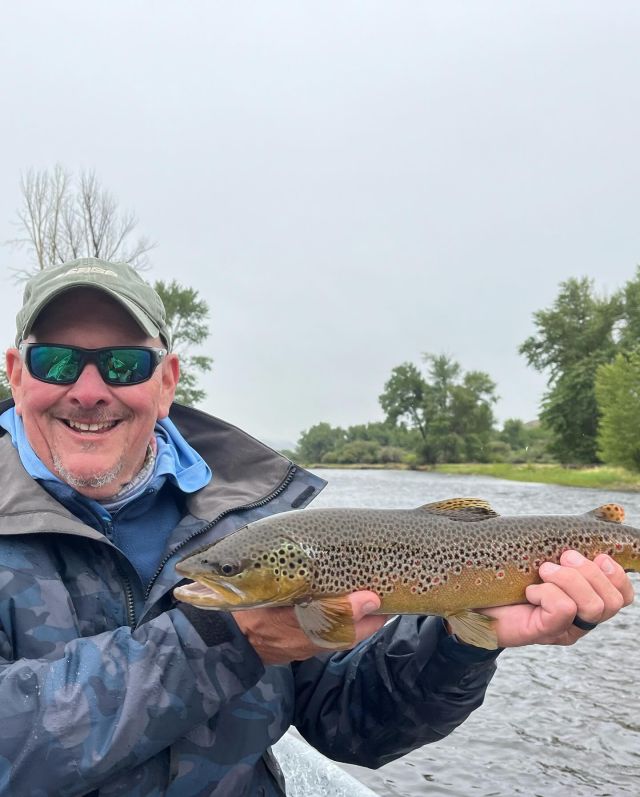
Brian Shumaker is the owner of Susquehanna River Guides, specializing in fly-fishing for smallmouth bass on the Susquehanna River that runs through Harrisburg, Pennsylvania. The Susquehanna River is a fertile limestone river and home to one of the best smallmouth fisheries in the East. This majestic river is rich in food, with rock ledges and wide shallow riffles laden with nymphs, crayfish and other foods. This environment ensures prolific hatches and rapid growth rates and holds the promise of thrilling smallmouth fishing!
Brian’s love of fishing started at an early age, encouraged by his father. After years of exploring the fascinating island-studded river, Brian started Susquehanna River Guides in 1993 as a way to share his love of the river and fly fishing with others. Today, clients from every reach of the U.S. and as far away as Canada travel to Central Pennsylvania to discover the thrill of fly fishing for smallmouth bass.
Off the river, Brian is active with various organizations, including Smallmouth Alliance and Trout Unlimited, and has been a guest speaker for many local and regional organizations. Publications such as Fly Fish America have covered Susquehanna River Guides, as well as regional newspapers and publications.