S8, Ep 52: Hot Days and Night Bites: Brian Shumaker’s Guide to Pennsylvania Smallmouth Fishing

 Apple Podcasts
 Spotify
 Overcast
 Castro
 YouTube
 RSS Feed
 Episode Overview
In this Pennsylvania Smallmouth Report on The Articulate Fly fly fishing podcast, host Marvin Cash checks in with Captain Brian Shumaker of Susquehanna River Guides for a midsummer conditions update on the Susquehanna and Juniata rivers in Central Pennsylvania. Recorded following a stretch of triple-digit heat punctuated by heavy rain, the report finds Shumaker firmly in prime topwater season, with blue damselflies coming off heavy from late morning into the evenings and the white fly hatch on deck for the end of July into early August.
Shumaker walks through his day-to-day approach on the water: starting clients with a popping bug and a streamer or crayfish pattern first thing in the morning, then committing fully to topwater by mid-morning. On color selection, he leans on Carolina blue Boogle Bugs and smaller blockhead poppers, with yellow still producing thanks to lingering sulphurs, and blue, white, yellow and green all working depending on the day. For the white fly window, he skips realistic dries in favor of a Clouser's Floating Minnow or a small white popper twitched across the surface after dark.
The conversation also covers river conditions following recent heavy rain — both the Susquehanna and Juniata are dropping from a solid slug of water but haven't bottomed out, with more rain possibly on the way. Shumaker shares his theory on why big smallmouth become nocturnal feeders once water temperatures push into the high 80s, and closes with fall booking availability for late September into early October.
Key Takeaways
- How to structure a summer smallmouth day on the Susquehanna and Juniata by starting with a popper-and-streamer combo and shifting fully to topwater by mid-morning.
- Why blue, white, yellow and green popper colors are all producing right now, tied to peak blue damselfly activity and the tail end of the sulphur hatch.
- When to expect the white fly hatch to begin on the Susquehanna system, and how to switch presentations from realistic dries to a Clouser's Floating Minnow or a small twitched popper after dark.
- Why big smallmouth bass shift to nocturnal feeding once water temperatures climb into the high 80s, and how that changes where and when to target trophy fish.
- How to read post-rain conditions on the Susquehanna and Juniata, since both rivers were dropping from a recent high-water event without bottoming out.
Techniques & Gear Covered
Shumaker's summer topwater program centers on popping bug fishing, with a Carolina blue Boogle Bug and smaller blockhead poppers as the go-to producers, plus a yellow Boogle Bug that still draws strikes off the lingering sulphur hatch. Early in the day he'll pair a popper with a streamer or crayfish pattern on a second rod to gauge activity before committing to topwater for the rest of the day. For the incoming white fly hatch, he moves away from imitative dry patterns like a size 12 white Wulff in favor of a Clouser's Floating Minnow tied with a white head and white bucktail, or a smaller white popper twitched across the surface after dark. He also discusses fishing after dark generally as a heat-avoidance and big-fish strategy once water temperatures push into the high 80s and large smallmouth shift to feeding on baitfish and small critters swimming across the river after sunset.
Locations & Species
The report covers the Susquehanna and Juniata rivers in Central Pennsylvania, both of which received a significant rain event that pushed flows up before beginning to recede; the Juniata remains somewhat stained while the Susquehanna is dropping into more fishable shape, with additional rain possible by the weekend. Smallmouth bass are the primary target, with the fishery currently in full topwater mode driven by heavy blue damselfly activity and the approach of the white fly hatch. Shumaker also notes water temperatures reaching the high 80s, which pushes larger, trophy-class smallmouth into nocturnal feeding patterns on baitfish and small terrestrial prey.
FAQ / Key Questions Answered
What is the best popper color for summer smallmouth on the Susquehanna and Juniata?
Blue is the top producer right now, particularly a Carolina blue Boogle Bug or smaller blockhead poppers, matching the heavy blue damselfly activity. Yellow poppers are also working off the tail end of the sulphur hatch, and white and green will draw strikes as well.
When does the white fly hatch start on the Susquehanna river system?
Shumaker expects the white fly hatch to begin rolling in at the end of July into the beginning of August. It comes off heavy and after dark, which changes both fly selection and the timing of a day on the water.
Why do big smallmouth bass become nocturnal feeders in the summer?
Shumaker's theory is that once water temperatures climb into the high 80s, larger fish shift to feeding after dark, whether to beat the heat or take advantage of baitfish and small critters swimming across the river at night. Fishing after dark is one way anglers can target trophy fish while also avoiding the worst of the daytime heat.
How are the Susquehanna and Juniata rivers fishing after recent heavy rain?
Both rivers received a solid slug of water and are dropping, with the Juniata still somewhat stained. Conditions aren't expected to bottom out before additional rain arrives, which should help keep flows consistent heading into the following week.
When is the best time to book a fall smallmouth trip with Brian Shumaker?
Shumaker highlights the last half of September through the first two weeks of October as a sweet spot, offering cooler conditions than peak summer while still fishing well for Susquehanna and Juniata smallmouth.
Related Content
S8, Ep 48 - Summer Heat Strategies: Captain Brian Shumaker's Smallmouth Tips
S8, Ep 43 - Smallmouth Strategies and Seasonal Shifts: Captain Brian Shumaker's Pennsylvania Report
S8, Ep 39 - High Water Strategies: Captain Brian Shumaker's Pennsylvania Smallmouth Insights
S8, Ep 34 - Frog Patterns and Fishing Strategies: Brian Shumaker's Late Spring Smallmouth Report
View all Pennsylvania Smallmouth Reports with Brian Shumaker
Connect with Our Guest
Follow Brian on Facebook and Instagram.
Follow the Show
Follow The Articulate Fly on Facebook, Instagram, Threads and YouTube.
Follow our Substack newsletter for episode updates, tips and resources.
Support the Show
Shop through our Amazon link to support the podcast.
Join our Patreon community to support the show.
If you are in the industry and need help getting unstuck, learn more about our consulting options.
Subscribe & Advertise
Subscribe to the podcast in your favorite podcast app.
Think our community is a good fit for your brand? Advertise with us.
In this Pennsylvania Smallmouth Report from The Articulate Fly fly fishing podcast, host Marvin Cash catches up with Captain Brian Shumaker of Susquehanna River Guides for a midsummer conditions update on the Susquehanna and Juniata rivers in Central Pennsylvania. With temperatures pushing 100 degrees and topwater season in full swing, Shumaker breaks down the blue damsel bite, the approaching white fly hatch and how he adjusts popper color and pattern selection as the surface bite develops through the day. The conversation also covers recent heavy rain and receding flows on both rivers, the seasonal shift toward nocturnal feeding by big smallmouth once water temperatures climb into the high 80s, and a recap of the Bass Thumb tournament. Shumaker closes with a look ahead to his open guide dates for late September and early October as anglers start planning around the fall cooldown.
EPISODE SUMMARY
Guest: Brian Shumaker - Captain/Guide at Susquehanna River Guides (Central Pennsylvania)
In this episode: Captain Brian Shumaker returns to The Articulate Fly's Pennsylvania Smallmouth Report to share midsummer topwater strategies for the Susquehanna and Juniata rivers. Topics include damselfly and white fly hatch timing, popper selection and color, high-heat fishing tactics and post-rain water level trends.
Key fishing techniques covered:
- Topwater popper fishing for smallmouth bass during blue damsel and white fly hatches
- Matching popper color (blue, white, yellow, green) to hatch activity
- Fishing Clouser's Floating Minnow with white bucktail during heavy white fly emergences at dark
- Reading post-rain water levels and flow trends on the Susquehanna and Juniata
- Night fishing tactics for beating extreme summer heat and targeting nocturnal-feeding big bass
Location focus: Susquehanna River and Juniata River, Central Pennsylvania
Target species: Smallmouth bass
Equipment discussed: Boogle Bug poppers (Carolina blue, yellow, white), small Blockhead poppers, Clouser's Floating Minnow with white bucktail, size 12 white Wulff dry fly
Key questions answered:
- What flies work best for smallmouth bass during a white fly hatch?
- How do smallmouth bass feeding patterns change once water temperatures top 85-90 degrees?
- When does topwater season peak on the Susquehanna and Juniata rivers?
Best for: Intermediate to advanced anglers interested in Pennsylvania smallmouth topwater tactics and summer heat fishing strategies
FULL TRANSCRIPT:
Marvin Cash
Hey, folks, it's Marvin Cash, the host of The Articulate Fly.We're back with another Pennsylvania Smallmouth Report with the man himself, Captain Brian Shumaker. Brian, how are you?
Brian Shumaker
I'm doing well, Marvin. How about yourself?
Marvin Cash
Just trying to stay out of trouble. And, you know, we've had a fair amount of water under the bridge since we last spoke. It's been over 100 degrees.You've had like an incredible amount of rain, and it's getting ready to get hot again in your neck of the woods, kind of. What are you seeing on the water?
Brian Shumaker
We are in our prime time top water season right now. The blue damsels are coming off real heavy late morning, into the afternoons, into the early evenings. We'll soon be having.The whiteflies will be rolling in end of July, beginning of August. So it is top water season.
Marvin Cash
And so do you just kind of normally start the day out and see if they're turned on. On top? And if you do just kind of ride that train the whole day or do you have kind of a different strategy when you first put it in the morning?
Brian Shumaker
No, we're gonna. We go right to top water right away.When I have two people, usually I have definitely have one with a popping bug on, and I'll have one with a, with a streamer or a crayfish. And we'll see what's going on first thing in the morning and go from there.So it could be either gonna roll with the top water or have a little bit of mixture. But then by, you know, I'm going to say mid morning, we are all top water for the rest of the day. Yeah.
Marvin Cash
And so on the top water side, you know, for like damselflies, are you like a Carolina blue boogle bug popper guy or do you have some, maybe some more realistic imitations? How do you like to fish those guys?
Brian Shumaker
Basically just like the boogle bugs, the Carolina blue. I do these smaller blockhead poppers, and blue, they work real well.And you, you can still fish, or not olive, but you can still fish like a yellow popper yellow boogle bug, because we still have some sulfur and stuff coming off a little bit. So they'll eat. They'll eat basically blue, white, yellow, or sometimes green. So that's. That's pretty much the game we got going on right now.
Marvin Cash
Got it. And so when the white flies come online, you know, is that gonna be a drier, bushy or bug, or are you gonna stick to the popping bugs?
Brian Shumaker
Oh, I stick with popping bugs or a very good fly for the white fly. Because when you. When the white flies come off here, I mean it's.It's a real heavy hatch and it comes off at dark and you can throw dry flies like a white Wulff or something like that, size 12. But you know, it's like trying to find a needle in a haystack. If you're throwing something realistic like a white Wulff.I like to throw Clouser's floating minnow and it's got a white head. You know, it's got white bucktail coming off the back. It just gives them something a little bit different. And you could take a white boogle bug.You don't want to go real big, but smaller size and you can just twitch out across the surface and those fish will come up and eat it. It just gives them something different.
Marvin Cash
Got it. And you know, obviously you got a big shot of rain, right. So, you know, or how are you looking? I would imagine your water's probably up.But are things kind of stained and blown out on the Susquehanna Juniata or are they pre fishable now?
Brian Shumaker
Juniata is still, still dirty and it's dropping and so does the Susquehanna it's dropping. We did get a nice slug of water, which made it real nice for this time of year. And now it's starting to drop.But I don't think it's going to get down where it's going to get too bony.After we get through by the end of the week, we're supposed to be through this heat wave and we can have some rain coming by the end of the week.And then of course, if you want to trust the weather, man, the long range forecast looks like we might have some rain early next week, which will be good. It'll keep the flows consistent, keep them up a little bit.
Marvin Cash
Yeah. Which makes everybody's life easier on the casting front so they're not having to air. Air mail out like 70 to 80 foot casts every time rain.
Brian Shumaker
Exactly. And it helps the guides in the boats too, you know, that way you're not beating and banging, playing like a pinball machine if it gets too low.
Marvin Cash
Yeah. It makes it a whole lot easier to epoxy the hull of your boat in the off season, right?
Brian Shumaker
Yeah, exactly. Exactly.
Marvin Cash
Yeah. And so, you know, I guess you were. You did a little bit.You guess you had a fishing tournament this week and you guys were out with the bass thumb tournament, right?
Brian Shumaker
Yeah, we did the bass thumb tournament. It was Friday and Saturday of last week. That's a real good event, a real good time.You know, you get your team and you go out there and you try to catch the biggest. Well, it's five fish a day. Your top five from the first day and top five for the second day and that's your total.And you try hopefully can find some big fish to bring your totals up. But it's a good event. You know, you have, you have a real good time doing. They, they do a good job putting it together.
Marvin Cash
Yeah, I saw the pictures on Facebook. Look like you guys had a ton of folks.
Brian Shumaker
Oh, it was, yeah, it was, it was good. It was a real good time.
Marvin Cash
And so, you know, as I know you're probably, you're pretty well booked out probably for the next six weeks or so, but probably what cruising into hopefully the cooler part of late summer, early fall, you might have some dates for folks, right?
Brian Shumaker
Absolutely. I got some dates. Getting like the last half of September, the first two weeks, October, I got some availability.
Marvin Cash
Yeah, I always joke with Matt Reilly, like that's my sweet spot. From an angler comfort perspective, I don't believe anybody when they say it's cool on their side of the mountain this time of year.
Brian Shumaker
No, it's not, it's not cool. Even a breeze out there on the river isn't cool.
Marvin Cash
Yeah, dude, it's, it's, it's too hot. I'm, I'm too old and too smart for that.I mean there'd have to be probably 36 inch smallmouth to get me, get me out to go after them this time of year.
Brian Shumaker
Yeah, I mean the, the thing you can do to beat the heat is, is fish. You know, in the dark that, that's a good way to try to beat the heat. It's tough for me. It's hard to navigate.But you know, if you want to get out and fish, you can try the night bite.
Marvin Cash
Yeah, it's interesting cause it's, you know, it's funny because we talked about that last time that you, if you had to pick early morning or, or later in the day. You like later in the day.And it's kind of funny because I usually, I like that I'm a night person by nature, but I also would say, you know, it's kind of funny because the trout wisdom would almost be reversed. Right.Because it's gotten so hot that you can't really, you know, expect that at 7 or 8 o' clock at night you're not going to still have 70 or 72 degree trout water.
Brian Shumaker
Well, you're definitely going to have, you know, you're going to have warm water. But you know, my, and I think we talked about it last time.My theory is when it gets our water temperatures get up into the high 80s, especially the big fish become nocturnal feeders, you know, whether it's to beat the heat or whatever. And they just seem, seem to go and feed, you know, more, more on the dark side than they do during the daytime.
Marvin Cash
Yeah, probably more little mouse and critters like that falling in the river too.
Brian Shumaker
Oh, absolutely. You have, you know, the little critters trying to swim across the river and so forth like that. And that's an easy pickings for them big bass.
Marvin Cash
Yeah, it's kind of funny. We've got a pond here in the neighborhood and you know, the ducks always start out with a lot of ducklings.And every day when you go walk around the lake, there are a few more that the largemouth bass got.
Brian Shumaker
Oh, absolutely, absolutely.
Marvin Cash
Yeah. Well, you know, folks, we, we love questions.If you have a question for Brian DM or email me and well, if we use it on the fishing report, I will send you some articulate fly swag and weiner and a drawing for some cool stuff.And we are firmly in the March through the summer and we don't never really know how much water we're going to have when we get into August and early September. So you owe it yourself to get out there and catch a few. Tight lines, everybody.
Brian Shumaker
Tight lines, Brian, tight lines, Marvin.
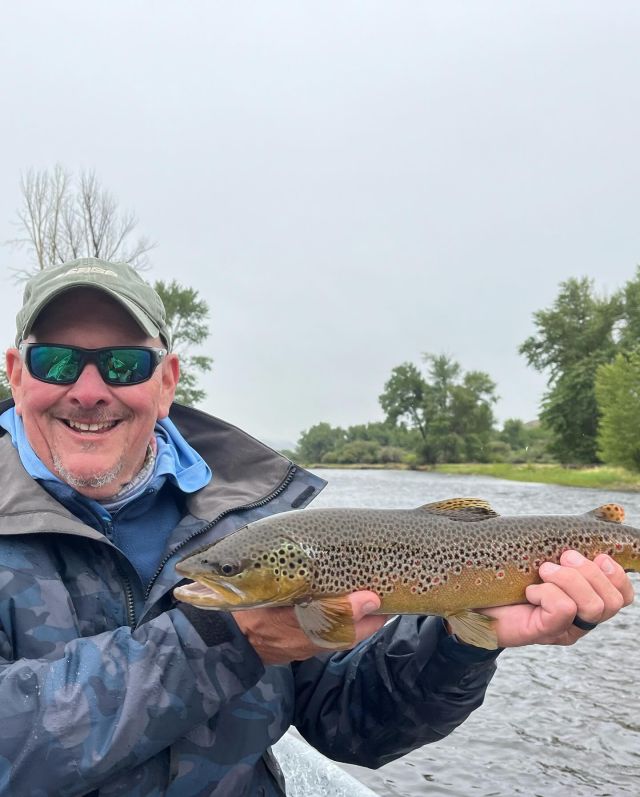
Guide | Hosted Travel
Brian Shumaker is the owner of Susquehanna River Guides, specializing in fly-fishing for smallmouth bass on the Susquehanna River that runs through Harrisburg, Pennsylvania. The Susquehanna River is a fertile limestone river and home to one of the best smallmouth fisheries in the East. This majestic river is rich in food, with rock ledges and wide shallow riffles laden with nymphs, crayfish and other foods. This environment ensures prolific hatches and rapid growth rates and holds the promise of thrilling smallmouth fishing!
Brian’s love of fishing started at an early age, encouraged by his father. After years of exploring the fascinating island-studded river, Brian started Susquehanna River Guides in 1993 as a way to share his love of the river and fly fishing with others. Today, clients from every reach of the U.S. and as far away as Canada travel to Central Pennsylvania to discover the thrill of fly fishing for smallmouth bass.
Off the river, Brian is active with various organizations, including Smallmouth Alliance and Trout Unlimited, and has been a guest speaker for many local and regional organizations. Publications such as Fly Fish America have covered Susquehanna River Guides, as well as regional newspapers and publications.